



How to Start a Small Herb Garden Indoors: A Beginner’s Guide
Growing your own herbs indoors is a wonderful way to bring fresh flavors to your kitchen, brighten your living space, and enjoy a relaxing hobby. Whether you have limited outdoor space or simply want fresh herbs year-round, starting a small herb garden indoors is easier than you might think. This guide will walk you through the essentials, from choosing the right herbs to caring for your plants, so you can enjoy homegrown herbs no matter the season.
Why Grow Herbs Indoors?
Indoor herb gardening offers several benefits:
– Freshness: Harvest herbs as you need them for cooking.
– Convenience: Have a mini garden within arm’s reach.
– Year-round gardening: Avoid seasonal limitations.
– Decor: Add greenery and fragrance to your home.
– Learning Opportunity: Great for beginners and kids to learn about plants.
Choosing the Right Herbs
Not all herbs thrive indoors, so start with easy-to-grow varieties that do well in pots and limited light environments. Some ideal indoor herbs include:
– Basil: Great for cooking, needs lots of light.
– Chives: Hardy and low maintenance.
– Mint: Fast-growing, but best kept in its own pot to avoid spreading.
– Parsley: Prefers moderate light and consistent moisture.
– Thyme: Drought tolerant and requires well-drained soil.
– Oregano: Prefers bright light.
– Cilantro: Likes cooler temperatures and moderate light.
Choose two or three herbs to start with, and you can always expand your collection later.
Selecting Containers and Soil
Containers
– Size: Use pots that are at least 4–6 inches in diameter to give roots room to grow.
– Drainage: Ensure pots have drainage holes to prevent waterlogging.
– Material: Plastic, ceramic, or terracotta pots all work well; terracotta is porous and helps soil dry out between watering.
Soil
– Use a high-quality, well-draining potting mix designed for indoor plants.
– Avoid garden soil, which can be too dense and may contain pests.
– Consider soil mixes labeled for herbs or vegetables for best results.
Finding the Right Location
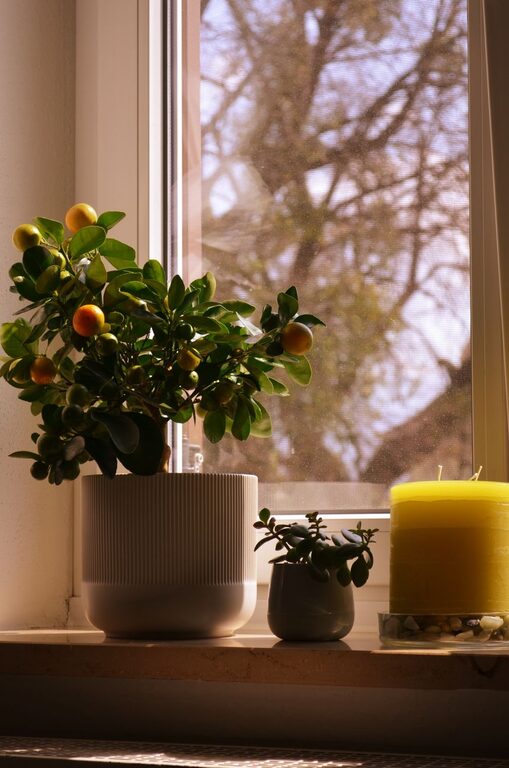
Herbs need plenty of bright, indirect light. Ideal spots include:
– South or west-facing windows with at least 6 hours of light daily.
– If sunlight is limited, place plants under grow lights for 12–16 hours a day.
– Avoid locations near drafts, heating vents, or cold windows.
Planting Your Herbs
You can start your herb garden from:
– Seeds: More variety and cheaper, but requires patience.
– Seedlings: Faster results, available at garden centers.
– Cuttings: Propagate herbs like mint, basil, or oregano by rooting cuttings.
Steps to Plant
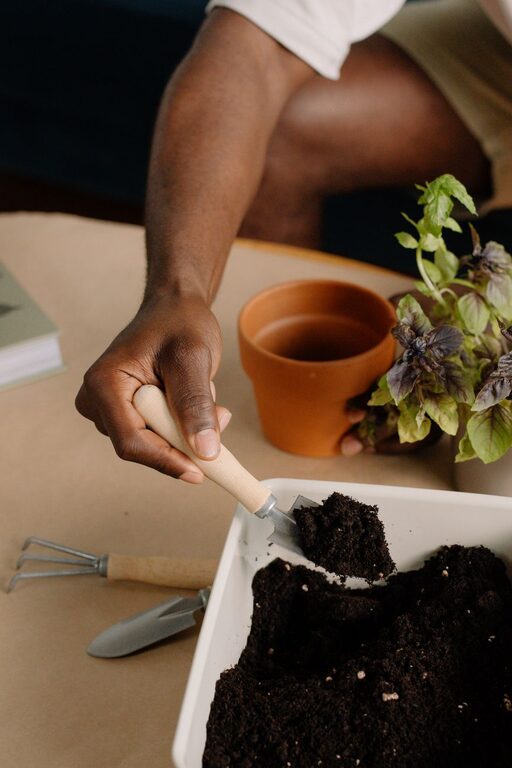
- Fill your container with potting mix, leaving about an inch of space at the top.
- If planting seeds, follow packet instructions for depth and spacing.
- For seedlings, gently loosen roots and place in soil, filling around the roots.
- Water thoroughly but gently.
- Label your pots to keep track of your herbs.
Caring for Your Indoor Herb Garden
Watering
– Most herbs prefer slightly moist soil but not soggy.
– Water when the top inch of soil feels dry.
– Avoid overwatering, as this can cause root rot.
Fertilizing
– Use a balanced liquid fertilizer diluted to half strength once every 4–6 weeks.
– Too much fertilizer can reduce flavor and cause leggy growth.
Pruning and Harvesting
– Regularly pinch back the tips to encourage bushier growth.
– Harvest leaves as needed but avoid removing more than one-third of the plant at a time.
– Removing flowers will focus the plant’s energy on leaf production.
Monitoring for Pests
– Keep an eye out for pests like aphids, spider mites, or whiteflies.
– Wipe leaves with a damp cloth or use insecticidal soap if needed.
Tips for Success
– Rotate pots occasionally to encourage even growth.
– Clean pots and tools regularly to avoid diseases.
– Start small — it’s easier to manage a few pots and expand as you gain confidence.
– Keep a journal to track watering, growth, and harvests.
Troubleshooting Common Problems
| Problem | Cause | Solution |
|———————-|——————————–|———————————|
| Yellow leaves | Overwatering or poor drainage | Reduce watering, improve drainage|
| Leggy plants | Insufficient light | Move to brighter location |
| Wilting | Underwatering or root issues | Water deeply, check roots |
| Slow growth | Nutrient deficiency or light | Fertilize, increase light |
Conclusion
Starting a small indoor herb garden is a rewarding way to bring nature inside, enhance your meals, and enjoy the satisfaction of growing your own food. With a few simple steps and a bit of care, you can cultivate fresh herbs year-round regardless of your living space. So pick your favorite herbs, gather your supplies, and start planting today!
Happy gardening!