









How to Create a Relaxing Bedtime Routine for Better Sleep
Getting a good night’s sleep is essential for our overall well-being, but sometimes falling asleep can be challenging. One effective way to improve your sleep quality is by creating a relaxing bedtime routine. A consistent, calming routine signals your body that it’s time to wind down, making it easier to drift off peacefully.
In this post, we’ll explore how you can develop a soothing bedtime routine that fits your lifestyle and promotes restful sleep.
Why a Bedtime Routine Matters
A bedtime routine helps your mind and body transition from the activities of the day to a state of rest. When done consistently, it can:
– Reduce stress and anxiety
– Improve sleep quality
– Help regulate your body’s internal clock
– Make falling asleep easier and faster
Steps to Create a Relaxing Bedtime Routine
1. Set a Consistent Sleep Schedule
Try to go to bed and wake up at the same time every day, even on weekends. Consistency strengthens your body’s natural sleep-wake cycle.
2. Limit Screen Time Before Bed
The blue light from phones, computers, and TVs can interfere with melatonin production, the hormone that helps regulate sleep. Aim to turn off screens at least 30 minutes before bedtime.
3. Create a Calm Environment
Make your bedroom a sanctuary for sleep:
– Keep the room cool, quiet, and dark.
– Use blackout curtains or a sleep mask to block light.
– Consider a white noise machine if you are sensitive to sounds.
4. Engage in Relaxing Activities
Choose calming activities that suit you. Some popular options include:
– Reading a book (preferably paper or e-reader with no backlight)
– Listening to soft music or nature sounds
– Practicing gentle yoga or stretching
– Journaling or writing down thoughts to clear your mind
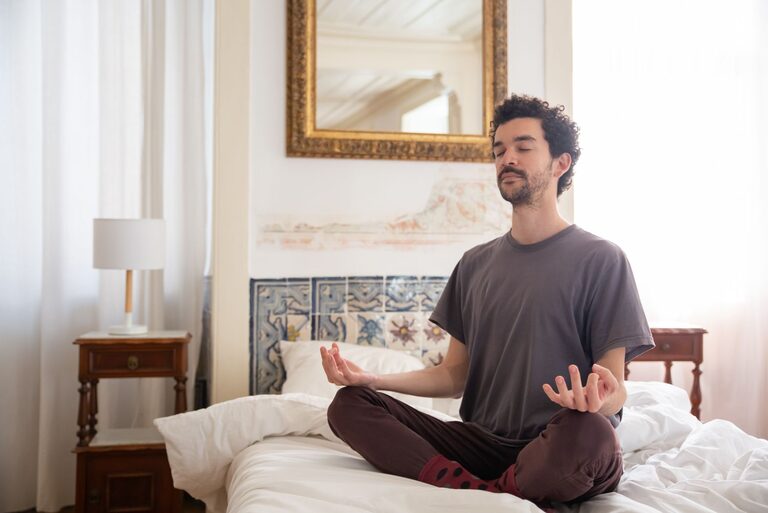
– Meditation or deep breathing exercises
5. Avoid Stimulants and Heavy Meals
Avoid caffeine, nicotine, and heavy or spicy foods close to bedtime, as they can disrupt your ability to fall asleep.
6. Take a Warm Bath or Shower
A warm bath or shower can help relax muscles and lower your body temperature afterwards, which encourages sleepiness.
7. Use Aromatherapy
Certain scents, like lavender and chamomile, are known for their calming properties. Using essential oils or scented candles may enhance relaxation.
Sample Bedtime Routine Template
Here’s an example of a relaxing bedtime routine you can customize:
– 8:30 PM: Turn off electronic devices
– 8:35 PM: Light stretching or gentle yoga (10 minutes)
– 8:45 PM: Take a warm shower or bath
– 9:00 PM: Read a book or journal for 20 minutes
– 9:20 PM: Practice deep breathing or meditation
– 9:30 PM: Lights out and settle in for sleep
Tips for Sticking to Your Routine
– Start small: Begin with one or two calming activities and gradually add more.
– Be consistent: Try to follow your routine every night for at least two weeks to build the habit.
– Adjust as needed: Find what helps you relax best; routines are personal.
– Prepare your space: Organize your bedroom and set out your bedtime items ahead of time.
– Limit naps: Especially in the late afternoon or evening, as they may affect nighttime sleep.
When to Seek Help
If you consistently struggle with sleep despite a relaxing routine, or if you experience symptoms like loud snoring, excessive daytime tiredness, or difficulty breathing at night, consider consulting a healthcare professional.
Conclusion
Creating a relaxing bedtime routine can be a powerful tool to improve your sleep quality and overall health. By dedicating time each evening to unwind, you signal your body that it’s time to rest, making falling asleep easier and more natural. Start small, stay consistent, and enjoy the benefits of a peaceful night’s sleep. Sweet dreams!