





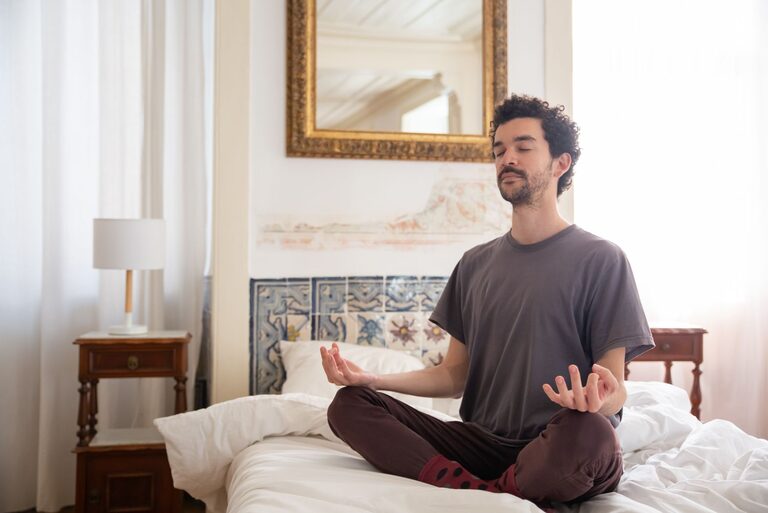




Beginner Tips for Mindful Breathing Breaks
Taking mindful breathing breaks can be a powerful way to reduce stress, improve focus, and promote overall well-being. If you’re new to this practice, don’t worry—it’s easy to get started, and you can do it anytime, anywhere. In this post, we’ll explore beginner-friendly tips to help you incorporate mindful breathing breaks into your daily routine.
What Is Mindful Breathing?
Mindful breathing is a type of meditation where you focus your attention on your breath—the inhale and exhale—without trying to change it. This simple act helps anchor your mind to the present moment, allowing you to let go of distracting thoughts and calm your nervous system.
Taking mindful breathing breaks means pausing during your day to practice this awareness for a few minutes. These breaks can help you reset mentally, reduce anxiety, and improve clarity.
Why Take Mindful Breathing Breaks?
– Reduces stress: Focusing on breath triggers your body’s relaxation response.
– Improves focus: Brief pauses help clear the mind and increase concentration.
– Boosts mood: Mindful breathing can help regulate emotions and promote calmness.
– Easy and accessible: No special equipment needed—you can do it anywhere.
How to Get Started with Mindful Breathing Breaks
1. Choose a Comfortable Position
You can sit or stand, whichever feels best. If sitting, keep your back straight but relaxed. Rest your hands on your lap or knees. If standing, keep your feet flat on the ground, shoulder-width apart.
2. Find a Quiet Space (If Possible)
While mindful breathing can be done anywhere, a quiet place will help you focus better. This could be a corner of your room, a park bench, or even your office desk during a break.
3. Set a Timer
Starting with 2 to 5 minutes is ideal for beginners. Use your phone or a timer app to avoid checking the clock, allowing yourself to fully focus on the practice.
4. Focus on Your Breath
Close your eyes if comfortable. Take a natural breath in through your nose. Notice the sensation of the air entering your nostrils, filling your lungs, and your chest or belly rising.
Exhale slowly through your mouth or nose, noticing the release of air and the fall of your chest or belly.
5. Breathe Naturally and Observe
Don’t force or control your breath. Simply observe it as it flows in and out. Your mind may wander—that’s normal. Gently guide your attention back to the breath without judgment.
6. Use Counting (Optional)
If it helps concentration, count each inhale and exhale. For example, inhale “one,” exhale “two,” up to five, then start again.
7. Finish Gently
When the timer ends, open your eyes slowly. Take a moment to notice how you feel before moving on with your day.
Tips for Making Mindful Breathing a Habit
Keep It Short and Simple
Start small—even one minute counts. Gradually build up as you feel comfortable.
Schedule Regular Breaks
Try to take mindful breathing breaks at set times during your day. For example, mid-morning, lunch, and mid-afternoon.
Combine with Other Mindful Practices
Pair breathing with gentle stretches, walking, or simple meditation for deeper relaxation.
Use Reminders
Set reminders on your phone or sticky notes in your workspace to prompt mindful breathing.
Be Patient and Kind to Yourself
It’s normal for your mind to wander. The practice is about returning attention to your breath each time.
Common Challenges and How to Overcome Them
"I Can’t Stop Thinking"
This is common for beginners. Remember, mindfulness is about noticing thoughts without judgment and gently bringing your focus back to the breath.
"I Don’t Have Time"
Even 30 seconds can help. Look for small moments, such as waiting in line or during a short break.
"It Feels Awkward"
It may feel strange at first, but the more you practice, the more natural it becomes.
Additional Resources
– Guided breath meditation apps: Many apps offer free beginner sessions.
– Books on mindfulness: Titles like “The Miracle of Mindfulness” by Thich Nhat Hanh can provide further insights.
– Online videos: Search for mindful breathing exercises on platforms like YouTube.
Final Thoughts
Mindful breathing breaks are a simple yet effective way to support mental and emotional health. By taking a few intentional moments to connect with your breath, you can create space for calm and clarity throughout your day. Start small, be consistent, and enjoy the benefits of this easy practice.
Remember, the breath is always with you—your natural tool for mindfulness and relaxation. Give yourself permission to pause and breathe mindfully whenever you need it.