







Tips for Keeping Your Houseplants Healthy and Thriving
Bringing houseplants into your living space is a wonderful way to add greenery, improve air quality, and create a calming environment. However, keeping them healthy requires some attention and care. Whether you’re a seasoned plant lover or just starting, these practical tips will help your indoor plants flourish.
Understanding Your Houseplant’s Needs
Each plant species has its own preferences for light, water, temperature, and soil. Knowing these details is the first step to successful plant care.
Light Requirements
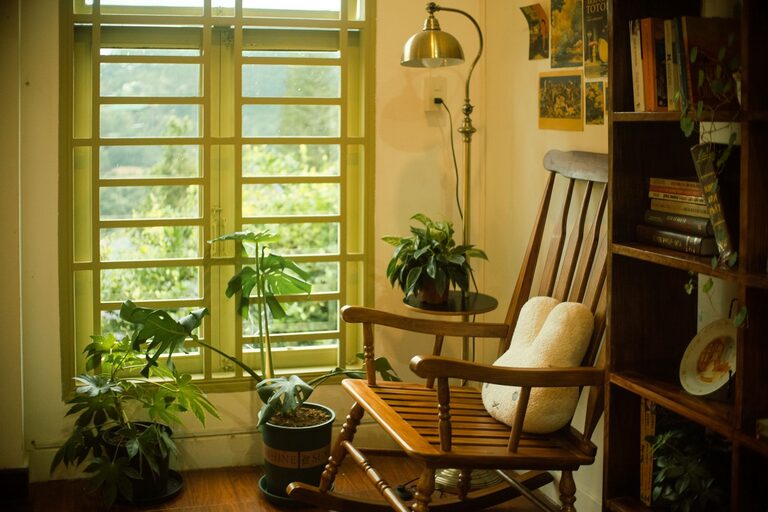
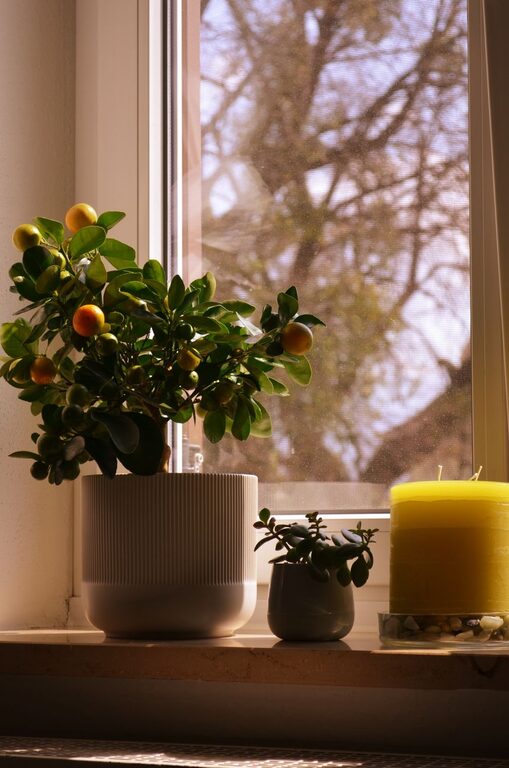
– Identify the type of light your plant prefers: Some plants thrive in bright, direct sunlight, while others do better in indirect or low light.
– Place plants accordingly: South-facing windows often provide the most light, while north-facing windows receive less.
– Rotate plants regularly: Turning your plants helps even out light exposure and prevents them from leaning toward the light source.
Watering Wisely
– Avoid overwatering: Too much water is one of the most common reasons for plant problems. Check the soil moisture before watering.
– Use the right amount: Water when the top inch of soil feels dry for most houseplants. Adjust frequency based on the plant type and season.
– Proper drainage: Ensure pots have drainage holes to prevent water from pooling at the bottom, which can cause root rot.
Temperature and Humidity
– Maintain stable temperatures: Most houseplants prefer temperatures between 65-75°F (18-24°C). Avoid placing plants near drafts, heaters, or air conditioners.
– Increase humidity: Many tropical plants enjoy humid environments. You can mist plants, use a humidity tray, or place a humidifier nearby.
Choosing Suitable Soil and Fertilizer
Healthy soil and appropriate feeding are essential for plant growth.
Soil Selection
– Use well-draining potting mix designed for indoor plants.
– For succulents and cacti, choose a sandy, fast-draining soil.
– Repot plants every 1-2 years to refresh soil and give roots more room.
Fertilizing Tips
– Feed plants during their growing season, typically spring and summer.
– Use a balanced, water-soluble fertilizer.
– Follow label instructions carefully to avoid over-fertilizing, which can harm plants.
Regular Maintenance for Healthy Plants
Taking a few minutes each week can make a big difference.
Pruning and Trimming
– Remove dead or yellowing leaves to promote new growth.
– Trim leggy or overgrown stems to encourage bushier growth and better shape.
– Sterilize pruning tools before use to avoid spreading diseases.
Cleaning Leaves
– Dust can block sunlight from reaching leaves. Wipe leaves gently with a damp cloth every few weeks.
– For plants with fuzzy leaves, use a soft brush to clean.
Pest Control
– Inspect plants regularly for pests like spider mites, aphids, or mealybugs.
– Use natural remedies such as neem oil or insecticidal soap when needed.
– Isolate new or affected plants to prevent pest spread.
Troubleshooting Common Problems
Understanding symptoms helps you react quickly.
– Yellow leaves: Often a sign of overwatering or poor drainage.
– Brown tips: Could indicate low humidity or inconsistent watering.
– Wilting: May mean underwatering or root issues.
– Slow growth: Check light levels and feeding routines.
Additional Tips for Success
– Use the right pot size: Too large pots retain excess moisture, while too small can restrict root growth.
– Group plants: Grouping plants can increase humidity around them.
– Learn about your plants: Research specific care tips for each plant type for the best results.
Conclusion
Keeping houseplants healthy is a rewarding experience that enhances your home and wellbeing. With attention to light, water, soil, and routine care, you can enjoy thriving plants that brighten your space all year long. Happy gardening!