







Simple Ways to Reduce Household Paper Clutter
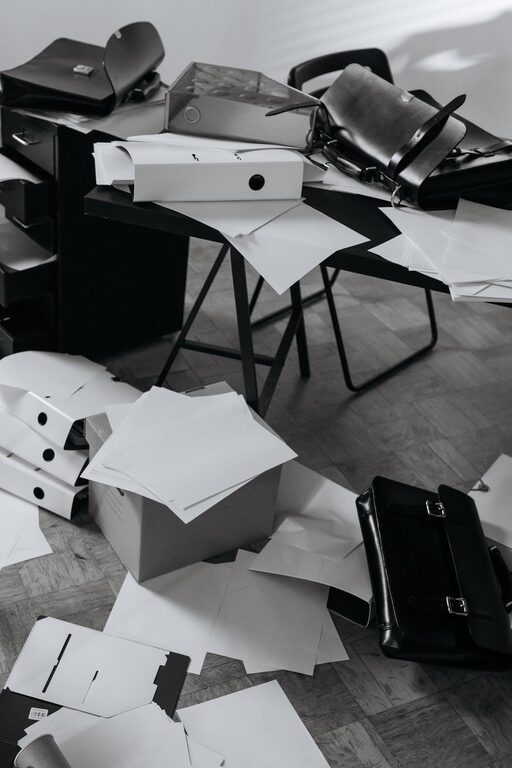
Managing paper clutter is a common challenge in many households. Bills, receipts, mail, school papers, and various documents can quickly pile up, making your living space feel messy and overwhelming. Fortunately, reducing paper clutter doesn’t require drastic changes or expensive tools. With some simple strategies and consistent effort, you can keep your home organized and enjoy a cleaner, more efficient environment.
In this post, we’ll explore practical ways to cut down on paper clutter, from sorting and storing to digitizing and recycling. Let’s get started!
Why Reducing Paper Clutter Matters
Before diving into the solutions, it helps to understand why controlling paper clutter is beneficial:
– Improves organization: Fewer papers mean less mess and easier access to what you truly need.
– Saves time: You won’t waste time searching for important documents.
– Reduces stress: A tidy space helps create a calm atmosphere.
– Supports sustainability: By recycling and digitizing, you reduce waste.
Step 1: Sort and Purge Regularly
The first step is to tackle your existing paper collection.
Create Sorting Categories
Gather all your paper and divide it into categories such as:
– Important documents (birth certificates, contracts, warranties)
– Bills and statements
– Receipts
– Manuals and warranties
– Junk mail
– School or work papers
Decide What to Keep
Be honest about what is necessary. For example:
– Keep important documents indefinitely or until no longer needed.
– Retain bills and statements until confirmed paid or reconciled.
– Toss junk mail immediately.
– Recycle outdated magazines and flyers.
Use a ‘To-Do’ Pile
For papers requiring action (e.g., bills to pay), create a designated area or tray to handle them promptly.
Step 2: Create an Organized Storage System
Once you eliminate unnecessary papers, invest time in organizing what remains.
Use Clearly Labeled Folders or Binders
– Assign folders by categories, such as “Taxes,” “Medical,” or “Home Repairs.”
– Store these in a filing cabinet, box, or portable file organizer.
Implement a Mail Station
Set up a spot near your entryway to sort incoming mail immediately. Include:
– An inbox tray
– A shredder or recycling bin nearby
– Sticky notes or reminder cards for urgent tasks
Limit Paper Handling Zones
Keep paper storage centralized to avoid scattering and loss.
Step 3: Digitize Important Documents
Going digital can significantly reduce physical papers.
Scan and Store Digitally
– Use a home scanner or smartphone scanning apps to capture important papers.
– Save files in organized folders on your computer or cloud storage.
– Use clear file names and consistent folder structures.
Backup Regularly
Ensure your digital copies are backed up to avoid data loss.
Use Paperless Billing and Statements
Contact your service providers and opt for electronic bills to cut incoming paper.
Step 4: Develop Paper Management Habits
Sustainable clutter reduction depends on daily habits.
Daily or Weekly Paper Check
Set a fixed time to sort new papers. Handle bills, shred junk mail, and file important documents immediately.
Use a Mail Timer
Limit the time mail stays on counters or tables. Process or discard mail the same day it arrives.
Avoid Printing When Possible
Email notes, recipes, or tickets instead of printing to reduce paper generation.
Step 5: Recycle and Shred Responsibly
Disposing of papers properly is key.
– Use a shredder for sensitive documents like bank statements or tax returns.
– Recycle non-sensitive paper.
– Consider donating old magazines or books if in good condition.
Bonus Tips to Keep Paper Clutter at Bay
– Use digital calendars and notes: Replace paper planners or sticky notes with apps.
– Involve the whole family: Make paper management a shared responsibility.
– Repurpose organizers: Use magazine holders or trays you already have for sorting.
– Limit mail subscriptions: Cancel unnecessary catalogs and newsletters.
Conclusion
Reducing household paper clutter is achievable through sorting, organizing, digitizing, and adopting simple daily habits. A less cluttered home means more peace of mind and efficient use of your space. Start small, stay consistent, and enjoy the benefits of a tidier environment!