








How to Keep a Tidy Fridge and Pantry for a More Organized Kitchen
Keeping your fridge and pantry tidy can make a big difference in your kitchen’s efficiency and overall enjoyment. An organized food storage area helps you find ingredients quickly, reduces food waste, and makes meal planning a breeze. If your fridge or pantry feels cluttered or chaotic, don’t worry. With a few straightforward tips and some simple habits, you can maintain an orderly space that supports a healthy, stress-free kitchen. Here’s how to get started and keep it tidy over time.
Why Organize Your Fridge and Pantry?
Before diving into the how-to, it’s helpful to understand the benefits of keeping these areas neat:
– Easier meal prep: When ingredients are easy to find, cooking becomes faster and more enjoyable.
– Reduces food waste: You can easily see what items you have and use them before they expire.
– Saves money: Avoid buying duplicates because you forgot you already had something.
– Keeps food safe: Proper storage lowers the risk of spoiled or contaminated items.
– Improves kitchen cleanliness: A tidy fridge and pantry contribute to a cleaner, more inviting kitchen.
Getting Started: Clean Out and Assess
Step 1: Empty and Clean
To start fresh, take everything out of your fridge and pantry. Wipe down all shelves, drawers, and door compartments with warm, soapy water or a gentle cleaning solution. This removes spills, crumbs, and any hidden mold or bacteria.
Step 2: Check Expiration Dates
As you remove items, check expiration and best-by dates. Toss anything that’s expired, spoiled, or no longer safe to eat. For items you’re unsure about, a quick visual and smell test can help decide if it’s still good.
Step 3: Group Similar Items
Sort your food into categories. Group all canned goods, snacks, baking supplies, dairy products, condiments, and fresh produce separately. This will help you decide how to organize your spaces effectively.
Organizing Your Pantry
Use Clear Containers and Labels
Invest in clear, airtight containers for dry goods like flour, rice, pasta, and cereals. Transparent containers let you see contents at a glance and keep food fresh longer. Label each container clearly for easy identification.
Arrange by Category and Frequency
Place frequently used items at eye level or in easy-to-reach areas. Group similar products together – for example, baking ingredients on one shelf, snacks on another. This organization saves time and helps maintain order.
Utilize Vertical Space
Add shelves or use stackable bins to maximize vertical space. Door racks or hanging organizers can hold small items like spice jars or packets of seasoning.
First In, First Out (FIFO)
Practice the FIFO method by placing newly purchased items behind older ones. This encourages you to use older foods first, reducing waste.
Organizing Your Fridge
Designate Zones
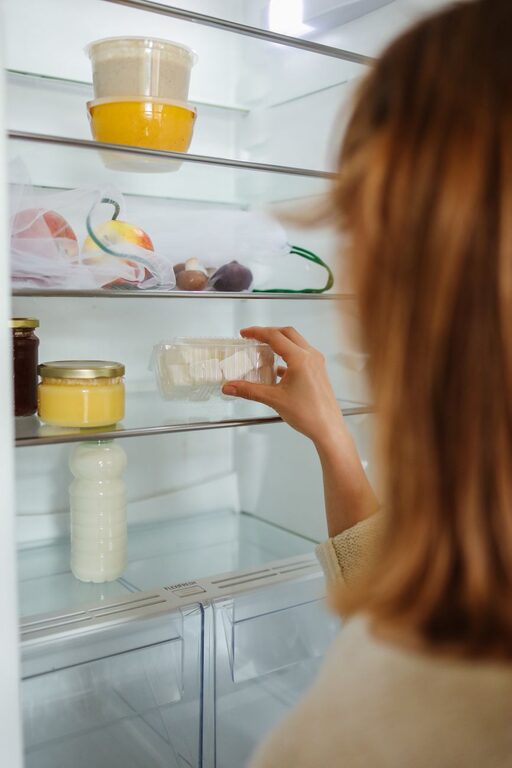
Assign different zones in your fridge for various food types:
– Top shelves: Ready-to-eat foods like leftovers, drinks, and deli items.
– Middle shelves: Dairy products such as milk, yogurt, and cheese.
– Bottom shelves: Raw meat and seafood (preferably in a separate drawer to avoid drips).
– Crisper drawers: Fruits and vegetables (some fridges have adjustable humidity settings for these).
– Door compartments: Condiments, sauces, and smaller bottles.
Use Clear Bins and Labels
Just like in the pantry, clear bins help corral similar items together, preventing clutter. For example, keep all yogurt cups or snack packs in one bin. Label bins to make cleanup and restocking easier.
Keep Things Visible
Place newer items behind older ones, and avoid overfilling shelves so everything stays visible. Regularly rotate your stock to prevent forgetting what you have.
Store Food Properly
Wrap or cover leftovers tightly to contain odors and prevent drying. Store fruits and vegetables separately since some produce emits gases that can spoil others faster.
Daily Habits to Maintain a Tidy Space
Quick End-of-Day Check
Take a minute each evening to wipe up spills and put items back in their designated spots. This simple habit prevents messes from piling up.
Use Shopping Lists
Maintain a running shopping list based on what you notice is running low or expired. This reduces impulse buys and duplicate purchases.
Plan Meals Around What You Have
Before shopping, check your fridge and pantry to plan meals around existing ingredients. This cuts down on waste and clutter.
Regular Decluttering Sessions
Set a reminder to deep clean and reorganize your fridge and pantry every month or two. This helps catch expired items early and keeps your system working smoothly.
Final Tips for Success
– Avoid overcrowding: Less is more when it comes to organization. Only keep what you realistically use.
– Use shelf liners: These make cleaning spills easier and protect shelves.
– Keep a trash bin nearby: Discard expired items immediately.
– Consider adjustable shelves: These allow you to customize space for different foods or containers.
By following these tips and developing consistent habits, you can enjoy a clean, tidy, and efficient fridge and pantry that make your kitchen a more pleasant place to cook and eat. Happy organizing!